
The Invisible Expense: Why Tackling Dust is About More Than Just Aesthetics

Recent reports indicate that accumulated dust and allergens in the home can lead to significant hidden costs, including increased medical expenses and potential long-term health impacts. While we often focus on visible messes like crumbs or spills, the microscopic particles floating in our air are much harder to spot but much harder to ignore. For many of us, a clean home is about more than just looking good; it is about protecting our physical well-being.
Beyond the Surface: The Real Cost of Dust
When we think about cleaning, we often equate 'clean' with 'tidy.' If the counters are clear and the floors are swept, we feel a sense of accomplishment. However, for homeowners in Florida and Massachusetts, there is a much deeper layer to consider. In high-pine or high-humidity regions, dust isn't just dirt—it is a collection of skin cells, pollen, pet dander, and microscopic debris that settles into the very fabric of your living space.
For our Airbnb hosts, this invisible layer can be a major business liability. A guest might not see the dust behind the nightstand, but they will certainly feel the impact of poor air quality through sneezing or itchy eyes. This often leads to those dreaded 'dirty' ratings or low reviews that are so hard to recover from. In a competitive market, a lack of deep cleaning for air quality can directly impact your bottom line.
The true cost of dust is often hidden in pharmacy receipts and doctor visits. When allergens accumulate, they trigger respiratory responses that can lead to chronic congestion or more serious issues over time. Investing in regular, professional dust removal is not just a luxury for your home's appearance; it is a proactive way to manage the long-term health of your family and your property.
Identifying the 'Dust Magnets' in Your Home
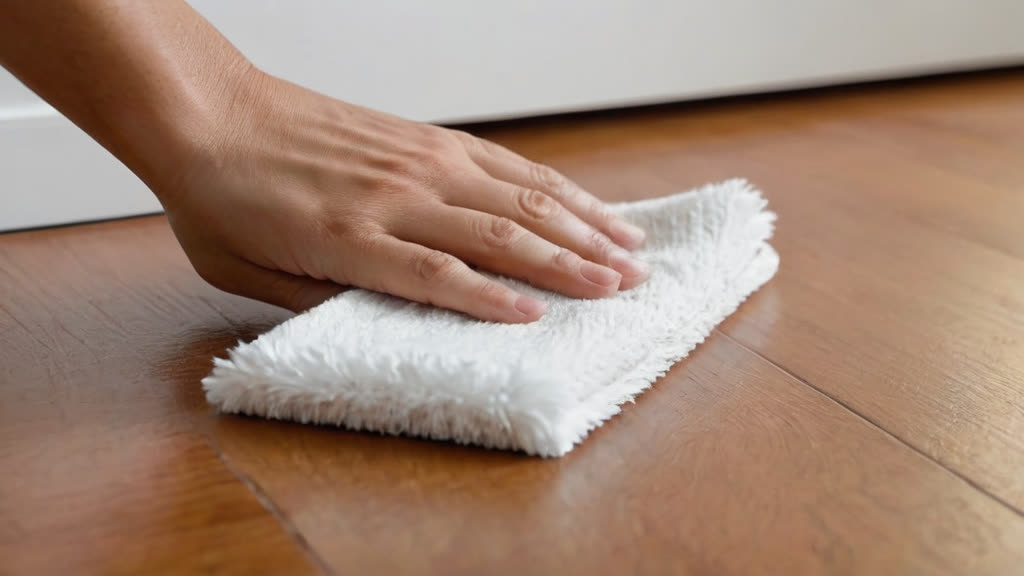
To effectively manage dust, you have to know where it likes to hide. Dust doesn't just sit on flat surfaces; it clings to textures and settles in stagnant air pockets. The most common culprits are baseboards, where fine particles settle and become difficult to wipe away once they bond with floor wax or moisture. Another major area is ceiling fans; every time those blades spin, they act like small propellers, redistributing settled dust throughout the entire room.
Don't forget the 'hidden' zones: the gaps behind heavy furniture, the tops of picture frames, and even the undersides of chair rungs. These areas are often overlooked during a standard tidy-up, creating perfect breeding grounds for allergens. If you are managing a rental property, these are the exact spots a guest will notice if they move a piece of furniture or look closely at a corner.
When performing residential cleaning services, we always recommend a top-down approach. Start with the highest points, like light fixtures and crown molding, and work your way down to the floor. This ensures that any dust disturbed during the process is captured as you move through the room, rather than just being moved from one surface to another.
Practical Habits for a Cleaner Environment
You don't always need a deep cleaning service to maintain a baseline of cleanliness, but you do need a strategy. We recommend the '24-Hour Rule.' Instead of letting dust settle for weeks at a time, try a quick 'surface swipe' of high-touch areas—like coffee tables, mantels, and desks—every day. Using a damp microfiber cloth is much more effective than a dry feather duster, as it traps the particles rather than just pushing them into the air.
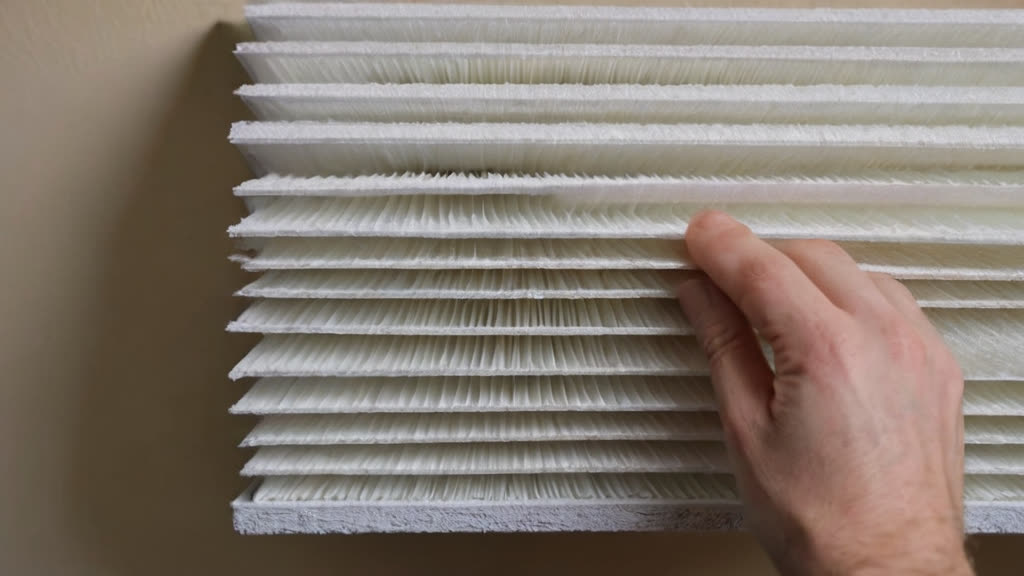
For those living in Florida, where pollen counts can skyrocket, or in Massachusetts, where humidity can trap particles in the air, your HVAC system is your first line of defense. We advise checking and changing your air filters every 3 months without fail. A clogged or old filter cannot effectively trap the microscopic debris that leads to poor indoor air quality, essentially turning your vents into dust distributors.
Finally, manage your textiles. Heavy drapes, throw pillows, and area rugs are massive reservoirs for dust. We suggest a seasonal deep wash for all removable covers and a thorough vacuuming of heavy fabrics at least once a quarter. By managing the fibers in your home, you are removing the 'hidden' dust that accumulates and lingers long after you've finished sweeping the floors.
Frequently Asked Questions
How often should I have my home professionally cleaned to manage allergens?
While a weekly tidy is great for maintenance, a professional deep cleaning every 1-3 months is ideal for significantly reducing allergen buildup in high-traffic homes or rentals.
Is professional dust removal different from regular vacuuming?
Yes. Professional dust removal involves detailed attention to high-reach areas, baseboards, and crevices that standard vacuuming often misses, ensuring a much more thorough allergen-free cleaning.
Can regular cleaning help with my Airbnb reviews?
Absolutely. For hosts, consistent Airbnb turnover cleaning ensures that guests encounter a pristine environment, which is the most effective way to prevent 'dusty' or 'dirty' complaints.
We believe a home should be a sanctuary, not just a polished space. While we can't stop the air from moving, we can help you manage the debris it carries. If you're looking to move beyond a surface clean and want a deep, thorough 'reset' to clear out the hidden dust, our family-owned team is here to help you breathe easier. Visit us at purepristinecleans.com to learn more about our licensed and insured services, backed by our 4.9-star rating and 100+ verified reviews.