Beyond the Surface: Why Your Home’s Pipes Need as Much Care as Your Floors
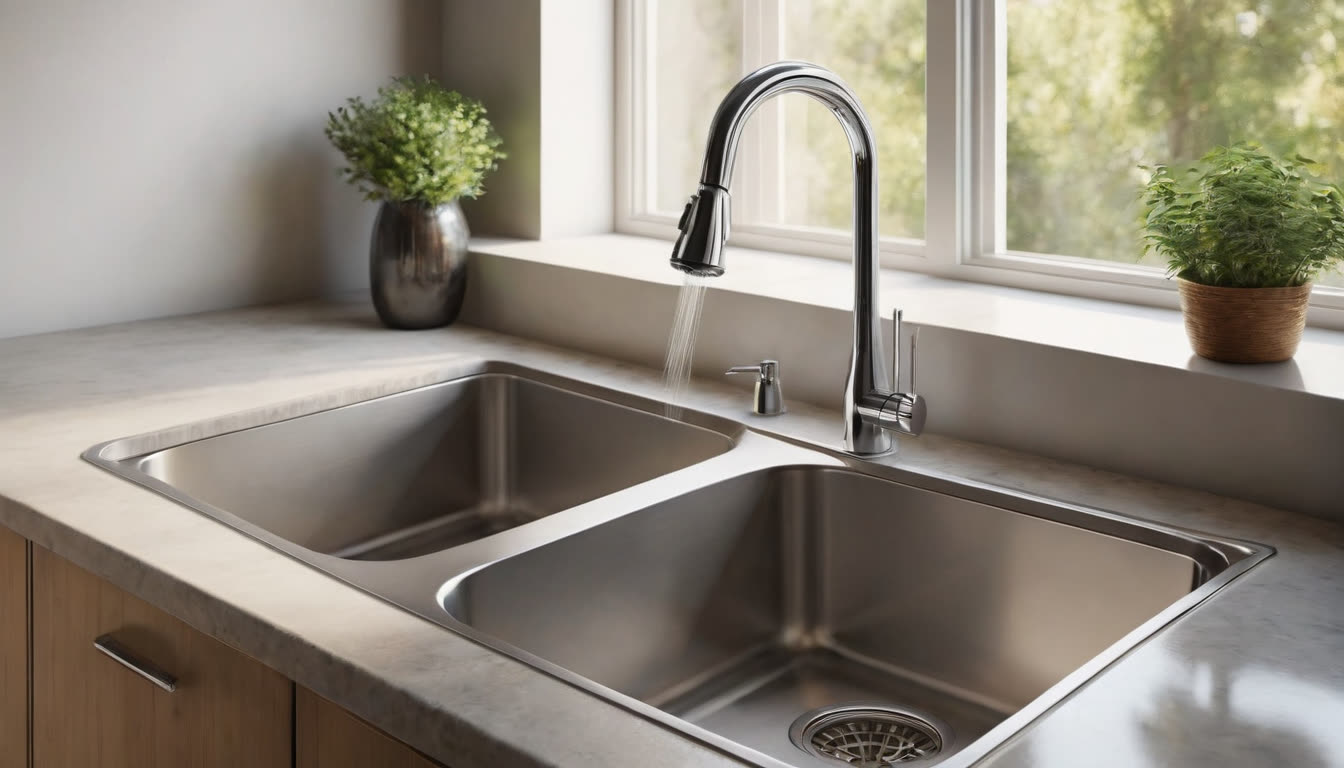
When we talk about cleaning, most of us immediately think of vacuuming carpets or wiping down kitchen counters. However, some of the most vital maintenance happens in the dark, hidden spaces beneath our feet. With recent reports from the City of Cambridge and surrounding Massachusetts municipalities highlighting the need for sewer lining and preventative maintenance, it is a timely reminder that a healthy home starts with a functional foundation.
The Warning Signs: Identifying Early Drainage Issues
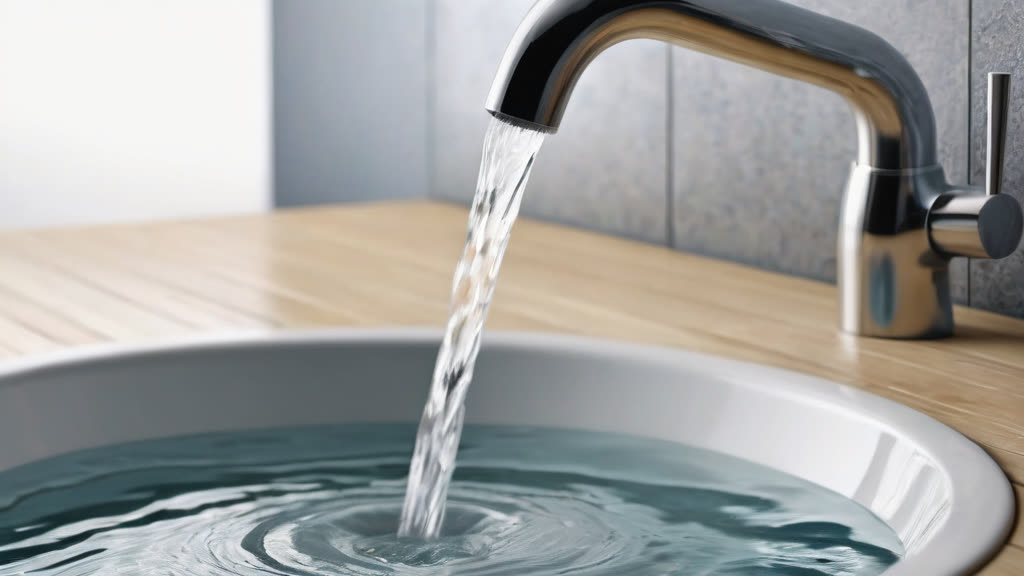
The biggest mistake homeowners make is waiting for a total backup before calling for help. By the time you see water rising in your shower or a pool forming around your toilet base, the damage—both to your plumbing and your floors—is likely already underway. One of the most reliable indicators of trouble is the 'slow drain.' If you notice that your kitchen sink or bathroom tub takes significantly longer than usual to clear after use, you aren't just dealing with a minor inconvenience; you are likely seeing the early stages of debris buildup.
Another subtle sign is what I like to call the 'Gurgle Test.' If you hear strange, bubbling, or gurgling sounds coming from your drains when you flush a toilet or run the sink, your pipes are likely struggling with air pockets or a partial blockage. This often points to a venting issue or a clog that is restricting flow. Catching these sounds early can save you from the massive expense of emergency sewer line maintenance later on.
For those managing Airbnb property maintenance, these signs are even more critical. A guest's first impression of your rental can be ruined by slow drains or a bad odor. Being proactive means checking these systems between stays to ensure your property remains in top shape and your reviews stay high.
The 'Flush' Trap: Common Culprits of Clogged Pipes
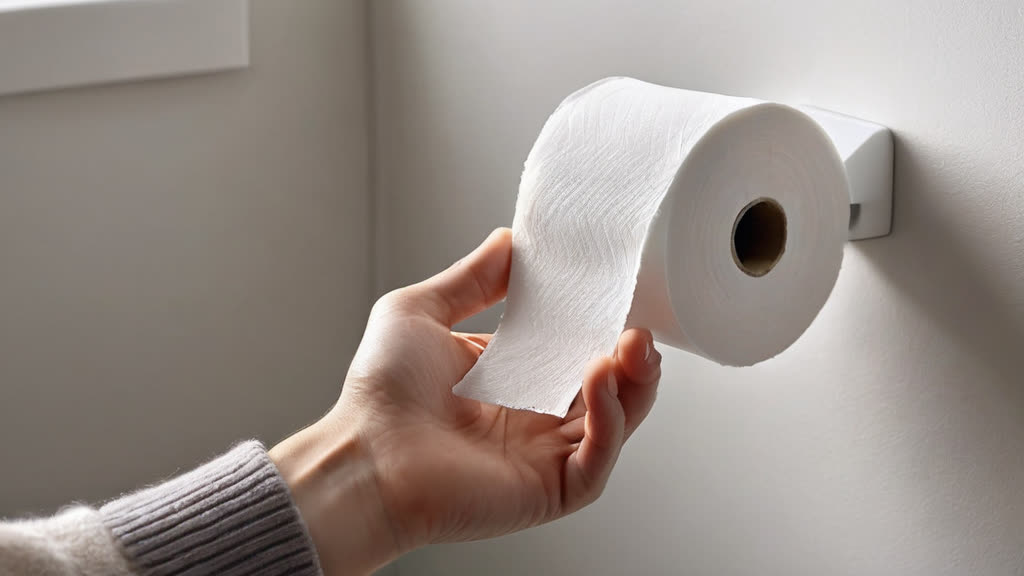
We all want convenience, but much of modern convenience is actually a disaster for older plumbing systems. The most common culprit in Massachusetts and Florida homes alike is the 'flushable' wipe. Despite the marketing, these wipes do not break down like toilet paper. They often snag on small imperfections in the pipe or get caught on tree roots, creating a dam that leads to preventing sewer backups.
Beyond wipes, grease and oils are silent property destroyers. Pouring cooking fats down the kitchen sink might seem harmless, but as that grease cools, it solidifies into a hard, waxy substance on the interior walls of your pipes. Over time, this narrows the passage until nothing can pass through. Similarly, keep hair, dental floss, and heavy paper products out of the bathroom drains to keep the system moving freely.
In areas with heavy seasonal rains, like much of Massachusetts, the pressure on your plumbing system increases. If your pipes are already narrowed by grease or debris, even a small amount of external pressure or a minor tree root intrusion can cause a significant failure. Teaching every family member and every guest the 'paper only' rule is one of the easiest ways to implement effective home maintenance tips.
Long-Term Protection: Inspections and Root Prevention
If you live in an older part of New Bedford, Lowell, or Cambridge, your home likely has aging infrastructure. In these areas, tree roots are a significant factor. Roots are naturally drawn to the moisture inside sewer lines; they can find tiny cracks and grow into the pipe, eventually causing structural collapses. This is why regular inspections are a necessity for property maintenance in Massachusetts.
A professional camera inspection every few years can reveal much more than just a clog. It can show you the actual condition of the pipe walls, allowing you to address small cracks or root intrusions before they require a full-scale excavation. While this might seem like an extra expense, it is far more affordable than repairing a collapsed line and dealing with the resulting water damage to your home's interior.
Whether you are looking for house cleaning Miami or managing a property in Boston, the principle remains the same: prevention is much cheaper than a cure. Taking care of the invisible parts of your home ensures that the visible parts—your beautiful floors and clean surfaces—stay protected for years to come.
Frequently Asked Questions
Q: How often should I have my sewer lines inspected? A: For older homes or properties with large trees nearby, every 2 to 3 years is a good rule of thumb to prevent unexpected failures.
Q: Can grease buildup really cause a whole-home backup? A: Yes. Accumulated grease can narrow a pipe so significantly that even small amounts of waste cause an immediate blockage.
Q: Are 'flushable' wipes truly a risk to my plumbing? A: Absolutely. They do not disintegrate quickly enough for most residential drainage systems and are a primary cause of clogs.
Q: What should I do if I notice a gurgling sound in my pipes? A: You should contact a professional to investigate the cause immediately, as this is often a sign of a developing blockage or a venting problem.
A Clean Home, Inside and Out
Maintaining your pipes is about protecting your investment and ensuring your home remains a sanctuary. While we specialize in making your living spaces sparkle on the surface, we know that a truly 'clean' home is one that is well-maintained from the inside out. If you're looking to refresh your space or need a reliable team to handle the heavy lifting of deep cleaning your interior, we’re here to help your home shine in every way. Visit us at purepristinecleans.com to learn more about our services.
A clean home is a healthy home, from the pipes to the ceiling. If you need a dependable team for your next deep cleaning, contact Pure Pristine Cleans today.