More Than Just Surface Deep: Protecting Your Florida Home’s Air Quality

Living in South Florida, we are all used to the humidity. But lately, the news has been highlighting something much more serious: how airborne pollutants and even industrial fiberglass issues can impact our indoor air quality. For families in Miami and Airbnb hosts in Fort Lauderdale, this is a vital reminder that a truly clean home isn't just about what you can see on the countertop—it’s about the very air you breathe.
Identifying Your Home's High-Risk Zones
When we talk about Florida home mold prevention, it isn't enough to just wipe down the dining table. Mold thrives in moisture, which means your first line of defense is identifying 'hot zones' where dampness lingers. The bathroom is the most obvious culprit due to shower steam, but don't overlook the laundry room or the area behind your refrigerator where condensation often builds up.
Kitchens also require extra attention. Under-sink areas and near dishwashers are prime spots for hidden leaks. If you are managing a rental property, these zones are even more critical. A small leak left unnoticed by a guest can lead to significant air quality issues. Regularly inspecting seals around windows and doors in these high-moisture areas is a simple but effective way to prevent spores from taking root.
The goal is to catch moisture before it becomes a colony. By keeping an eye on the base of your toilets, the grout in your showers, and the perimeter of your laundry machines, you can stop mold before it ever enters your HVAC system or settles into your upholstery.
The Golden Rule: Controlling Humidity Levels
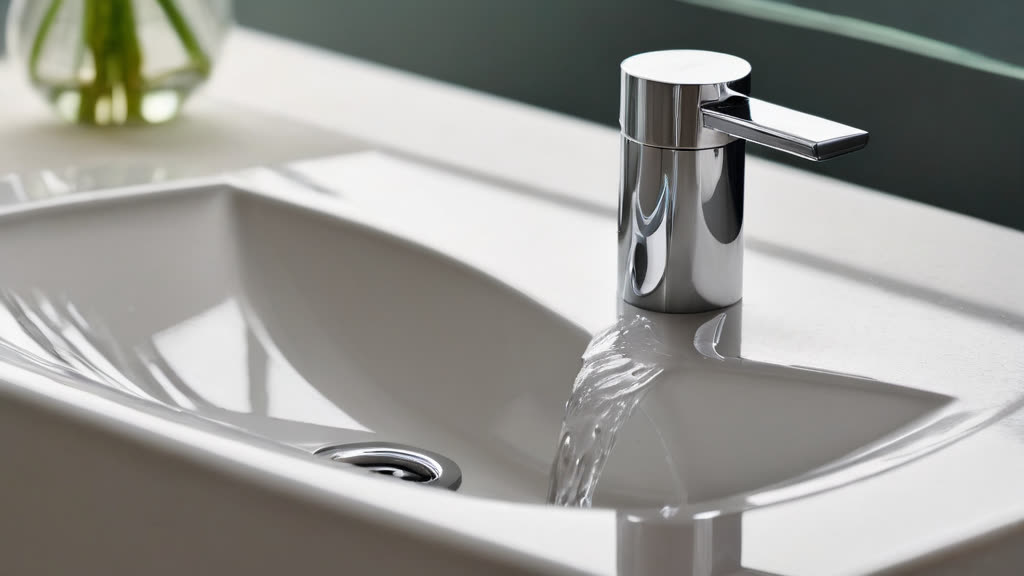
In Miami and Fort Lauderdale, humidity isn't just a weather report; it's a household management challenge. To keep mold growth at bay, aim to keep your indoor humidity levels below 50%. When the air stays drier, mold spores struggle to germinate, making your indoor air quality tips much easier to implement.
Investing in a hygrometer—a small, inexpensive device that measures humidity—is a game changer. It allows you to see exactly when your AC is struggling to keep up. During those swelively humid Florida summers, running a dehumidifier in larger rooms or even basement-level areas can prevent that 'musty' smell from ever developing.
For Airbnb hosts, this is non-negotiable. A property that feels damp or smells stale will quickly lead to poor reviews. Maintaining consistent humidity levels ensures your guests feel comfortable and helps protect your investment from the long-term damage of unseen mold growth.
Ventilation and The 'Touch Point' Rule
Proper airflow is your best friend. After showering or cooking, always run your exhaust fans for at least 20 to 30 minutes. This mechanical ventilation helps pull moisture-laden air out of the house before it can settle on porous surfaces like drywall or wooden furniture. If you have windows that allow for a cross-breeze during the cooler months, use them strategically.
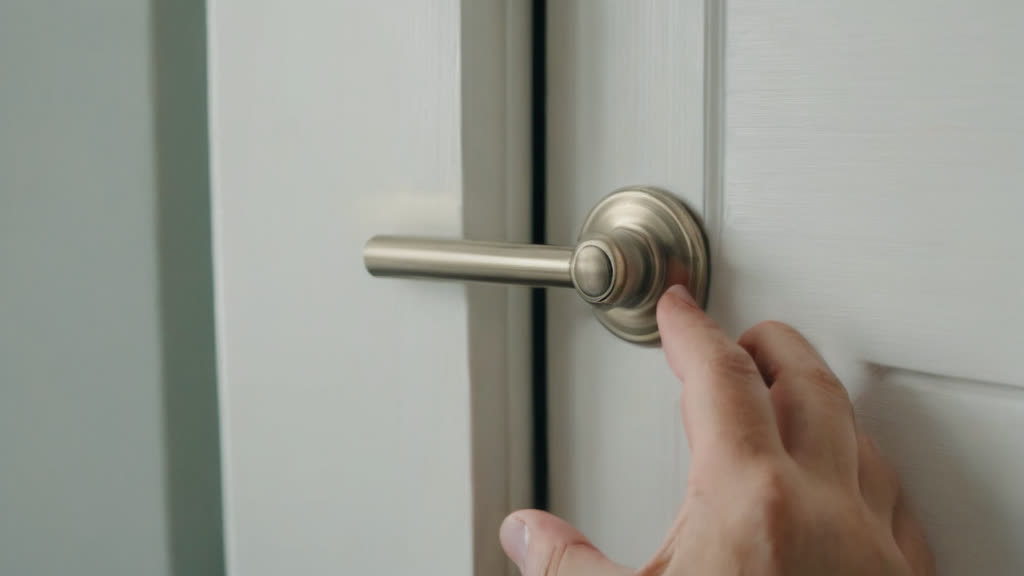
Beyond airflow, we need to talk about what accumulates in the air and eventually settles on your surfaces: dust and allergens. This is where the 'Touch Point' rule comes in. We recommend regularly disinfecting high-touch surfaces like doorknobs, light switches, and remote controls. These areas act as magnets for dust particles that can carry mold spores or allergens through the house.
It’s about reducing the total 'bioburden' in your home so that every breath taken by your family or your guests is as fresh as possible.
Frequently Asked Questions
How can I tell if my air quality is poor?
Keep an eye out for musty odors, visible spots on walls/ceilings, or increased allergy symptoms like sneezing and itchy eyes when you are indoors.
Does cleaning with professional products help with air quality?
Yes!
Is professional deep cleaning necessary for mold prevention?
While daily maintenance is key, a professional deep cleaning service can reach the hidden dust and allergens in hard-to-reach areas, significantly reducing the triggers in your home's ecosystem.
If you need a reliable, licensed and insured team to help maintain your home, visit us at purepristinecleans.com. We are proud of our 4.9-star rating and 100+ verified reviews!