
More Than Just Clutter: Why Old Mattresses and Fabrics Impact Your Home's Air Quality

You might have seen the recent local news reports about 'shocking' fly-tipping incidents, where dozens of discarded mattresses and household items are dumped in vacant lots. While it feels like a distant issue for most of us, these headlines highlight a very real concern for anyone managing a home or rental property: the hidden risks of porous, neglected materials. It’s a reminder that what we keep—and what we hold onto too long—directly affects the air we breathe.
The Hidden Risk of Porous Materials
When we talk about fly-tipping, we aren't just talking about an eyesore in the neighborhood. We are talking about the accumulation of old, heavy, and highly porous items like mattresses, old pillows, and upholstered furniture. These items act like giant sponges. They don't just sit there; they actively absorb moisture, dust, and organic matter from the air.
For our clients managing Florida home maintenance or properties in the humid corridors of Massachusetts, this is a significant concern. In high-humidity environments, these heavy fabrics trap moisture deep within their fibers. This creates the perfect, invisible breeding ground where dust mite removal becomes nearly impossible because the allergens are buried deep inside the stuffing. If you notice a room feels 'heavy' or has a persistent musty scent, it’s often because these items are holding onto more than just dust.
As a licensed and insured cleaning company with a 4.9-star rating and over 100+ verified reviews, we often see the aftermath of 'storage' turned 'permanent.' When these items aren't regularly aired out or replaced, they compromise the indoor air quality of your entire home, making it much harder to achieve that truly fresh, crisp feeling guests expect in a luxury home cleaning service.
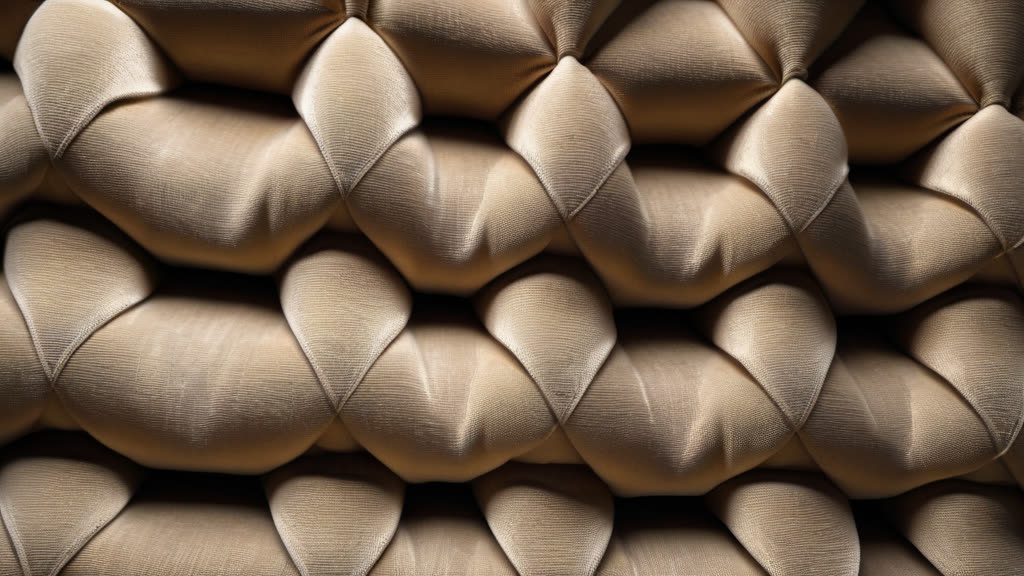
The 6-Month Rule for Bedding and Upholstery
A great way to maintain a healthy home is to implement a simple '6-Month Rule.' Take a look at your guest rooms, your spare closets, and even your primary bedroom. If you have a piece of bedding, a heavy decorative pillow, or an upholstered chair that hasn't been moved, used, or aired out in over six months, it is likely harboring a buildup of allergens and skin cells.
In the world of Airbnb cleaning services, maintaining a standard of excellence means being proactive. We recommend rotating your linens and pillows regularly. Don't just wash the sheets; ensure the heavier elements of the bed—like the mattress protector or heavy duvets—are part of a regular rotation. This prevents the 'stale' smell that guests often notice immediately upon entering a room.
If you are managing a property in a coastal area, this rule is even more vital. Salt air and humidity can accelerate the process of moisture being trapped in heavy fabrics. If an item has been sitting in a corner of a guest suite for an entire season without being used, it’s time to inspect it closely for any signs of dampness or a change in texture.
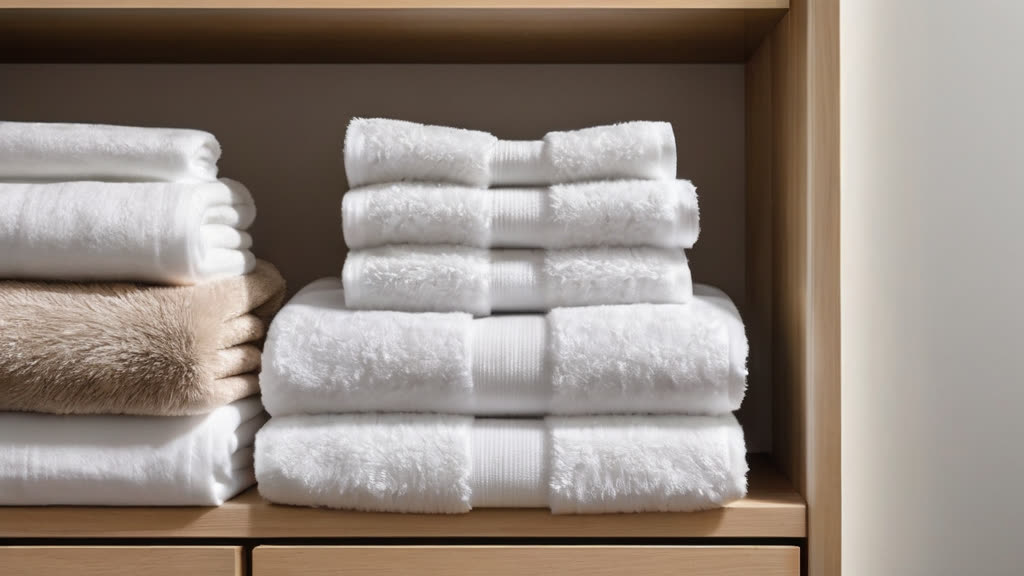
Avoiding the 'Storage Trap'
We all have that one spare room or corner of the basement that has slowly transitioned from 'temporary storage' to a permanent graveyard for old items. This is the 'Storage Trap.' It starts with one box, then an old armchair, then a stack of extra mattresses. This accumulation is exactly what leads to the decline of indoor air quality.
To combat this, create a designated, organized area for items that are actually in use. If you must store seasonal items, ensure they are in airtight, clear bins rather than open piles. For furniture, try to keep items away from exterior walls where condensation is most likely to form. This simple organizational shift can significantly reduce the amount of dust and moisture trapped in your living spaces.
If you find yourself overwhelmed by a room that feels cluttered and dusty, remember that professional house cleaning can help reset the space. While we can't magically make a 10-year-old mattress brand new, our deep cleaning services are designed to tackle the surfaces and environments that have been neglected, helping you reclaim a sense of freshness and cleanliness.
Frequently Asked Questions
How can I tell if my furniture is affecting my air quality?
If a room has a persistent musty odor that remains even after you've cleaned the surfaces, or if you notice a 'heavy' feeling in the air, your upholstered items may be trapping moisture and dust.
Is deep cleaning enough to remove allergens from a mattress?
While deep cleaning services can thoroughly clean the surfaces and surrounding area, very old or heavily soiled mattresses often need to be replaced to truly ensure a dust-free environment.
How often should I clean my heavy curtains and drapes?
In humid climates, it is best to have heavy fabrics professionally cleaned or thoroughly vacuumed at least twice a year to prevent dust accumulation.
Maintaining a pristine home is about more than just surface cleaning; it's about managing the environment. If your home or rental feels like it's holding onto a bit too much 'history' (or just a lot of dust), our team is here to help. Visit us at purepristinecleans.com to learn how our deep cleaning services can give your space the thorough reset it deserves.