
Beyond the Rain: A Real Guide to Cleaning Up After Florida’s Heavy Storms

If you’ve been watching the news in Coral Springs lately, you know the recent heavy rains have left more than just puddles in our streets. Many of our neighbors are currently dealing with the aftermath of wind-driven rain and debris finding its way into hallways, mud coating baseboards, and that heavy, damp feeling that lingers long after the clouds part. For Florida homeowners and Airbnb hosts, a storm isn't just a weather event; it is a massive logistics challenge that requires more than just a quick mop.
Step 1: The Paper Trail (Document Before You Clean)
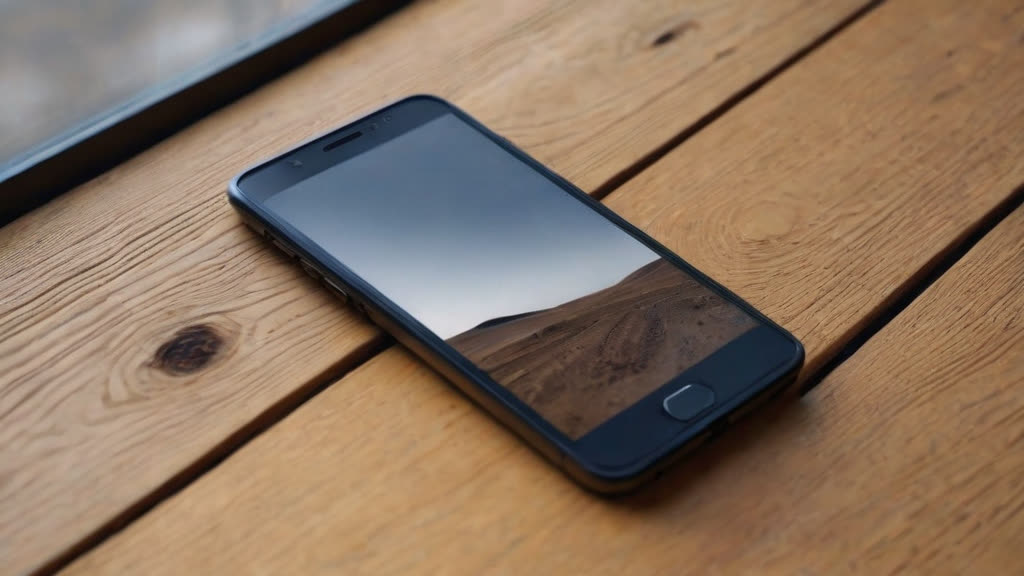
Before you grab a mop or start moving furniture, take a deep breath and grab your phone. It is incredibly tempting to start scrubbing the moment the rain stops, but if water or debris has entered your home, you need a digital record. Walk through every room—especially those near windows or sliding doors—and take clear, high-resolution photos and videos of every bit of mud, water line, or debris. If you are managing an Airbnb, this is even more critical to protect your property from liability and to support any claims for lost bookings.
Capture the details: zoom in on the baseboards, the edges of the carpet, and any damp spots on the drywall. These photos serve as vital evidence for insurance adjusters. Without a clear 'before' state of the mess, it can be much harder to prove the extent of the damage. Once you have documented everything, then—and only then—should you begin the physical cleanup process.
Step 2: Stop the Mud from Setting
One of the biggest mistakes people make during storm damage cleanup in Florida is letting mud and silt sit. When that Florida heat hits wet mud, it doesn't just dry; it hardens into a stubborn, cement-like layer that can become airborne dust once it dries out. This dust can then settle into your HVAC system, spreading grit throughout your entire house. Your first priority should be the immediate removal of 'loose' debris and wet mud using soft tools like microfiber cloths or low-pressure water.
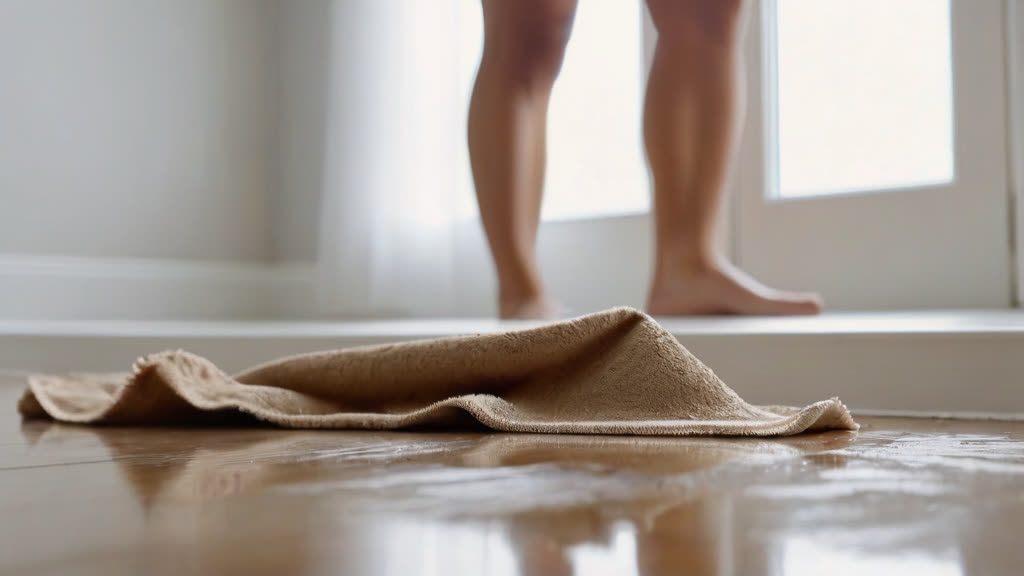
If you are dealing with mud removal, try to use a damp cloth to gently lift the sediment rather than scrubbing vigorously, which can push the grit deeper into grout lines or carpet fibers. For Airbnb hosts, this is the most time-sensitive stage. Getting that mud out of the entryway and off the floors immediately prevents a much larger, more expensive deep cleaning service requirement later on. If the debris is heavy, focus on the perimeter of the room first to create a clear path for movement.
Step 3: Tackling High-Moisture Zones
Once the visible debris is gone, the real battle begins with the invisible moisture. In our humid climate, even a small amount of water touching your floors or baseboards can lead to serious issues if not addressed. We recommend focusing heavily on high-moisture zones—areas where you can see a water line or where the air feels noticeably heavier. If you have hardwood or laminate, the goal is to get that moisture out of the pores of the material as quickly as possible.
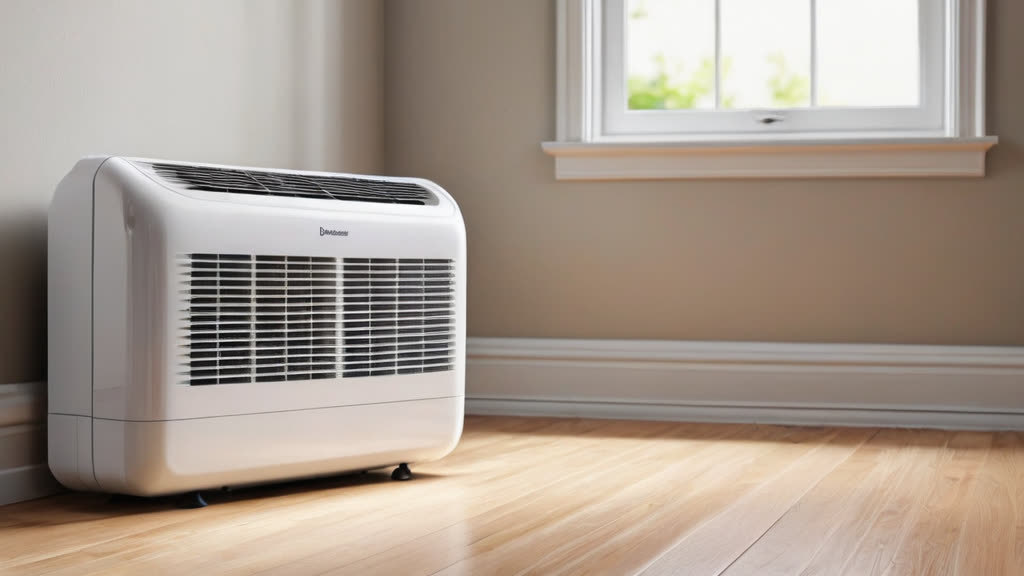
Run a dehumidifier in these affected rooms 24/7 until the area feels dry to the touch. After the air is stabilized, use a deep-scrubbing solution on your baseboards, window tracks, and floor edges to remove any lingering silt or organic matter. A standard cleaning won't suffice here; you need a thorough, restorative approach to ensure no trapped moisture or organic residue remains to foster growth. This is the difference between a house that looks clean and a house that is truly restored.
When the Cleanup is More Than a Weekend Project
We know that after a storm, your 'to-do' list can feel endless. Between managing repairs, dealing with insurance, and keeping your life running, a massive cleaning project can feel overwhelming. This is especially true for Airbnb hosts who need to get their properties back to a 'guest-ready' state immediately to avoid cancellations and poor reviews. If the mud, silt, and dampness have moved beyond a simple surface wipe, it might be time to call in reinforcements.
At Pure Pristine Cleans, we specialize in the kind of restorative cleaning that goes beyond the surface. As a licensed and insured team with a 4.9-star rating and over 100 verified reviews, we understand the specific challenges of Florida's climate. Whether you need help with flood cleanup in Coral Springs or a deep cleaning service for a home in Miami or Orlando, we are here to help you reclaim your space and get back to normal.
Frequently Asked Questions
How do I know if my home needs professional storm damage cleanup?
If you see visible mud, silt, or water lines on your walls, floors, or baseboards, a standard cleaning is likely not enough. You need a deep, restorative cleaning to address the embedded grit and moisture.
Can I use a regular vacuum to clean up wet mud?
No, using a standard vacuum on wet mud can ruin the machine and spread the mess. Use damp cloths or a wet-dry vacuum to lift the debris first.
What is the most important thing to do for Airbnb hosts after a storm?
Document everything for insurance, then focus on rapid mud removal and dehumidifying to ensure your property remains 'guest-ready' and to prevent long-term damage.
Don't let the aftermath of a storm linger in your home or rental. If you need a hand getting things back to pristine condition, visit us at purepristinecleans.com to see how our specialized cleaning services can help.