
Stop Scrubbing: The Pro Secrets to Preventing Bathroom Grime Before It Starts

If you’ve ever spent a Saturday afternoon scrubbing stubborn white crust off your showerhead, you know that bathroom maintenance can quickly turn into a grueling chore. As professional cleaners, we see the same patterns every week: grime that could have been prevented with just a few seconds of daily effort. Whether you are managing a rental in Orlando or a family home in Massachusetts, the secret to a pristine bathroom isn't harder scrubbing—it's smarter prevention.
The Power of the Squeegee: Ending the War on Water Spots
If you live in coastal Florida, you already know that water is your bathroom's biggest adversary. Between the humidity and the high mineral content in our local water supply, hard water stains can bond to glass shower doors almost overnight. Once those mineral deposits set in, they create a cloudy, etched look that is incredibly difficult to remove without heavy-duty scrubbing.
The most effective tool in a professional cleaner's kit isn't a special spray; it's a simple rubber squeegee. We recommend making it a habit to squeegee your glass doors after every single shower. By removing the standing water before it evaporates, you prevent those calcium and magnesium deposits from ever having a chance to bond to the surface. It takes about thirty seconds, but it saves you thirty minutes of scrubbing later in the week.
For our Airbnb hosts, this is a non-negotiable part of your turnover routine. Maintaining clear, sparkling glass is one of the easiest ways to meet high Airbnb cleaning standards and earn those five-star reviews from guests who expect a spotless space.
Targeting the Hidden Culprits: Faucets and Grout
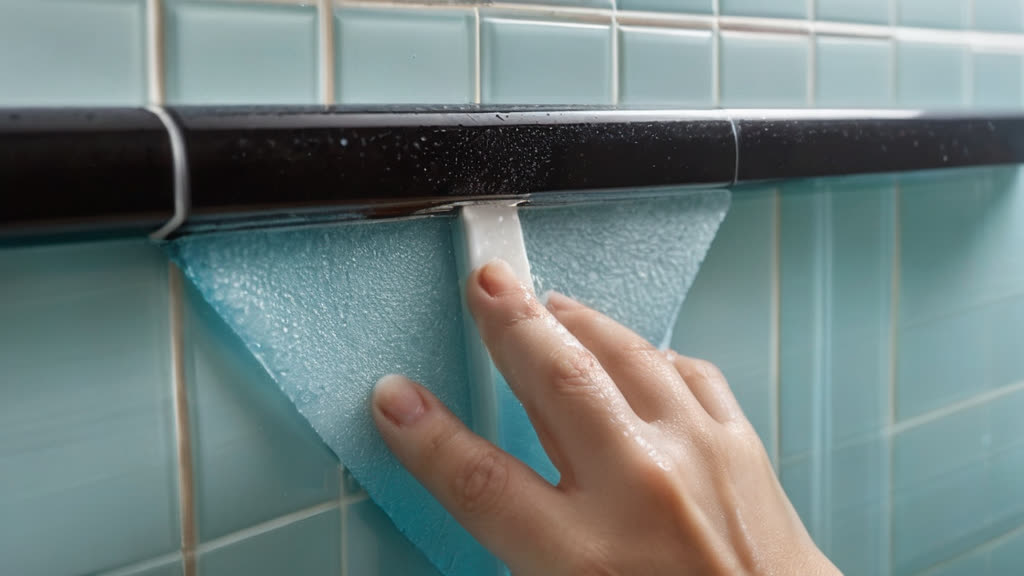
When most people clean a bathroom, they focus on the large, visible surfaces like the sink or the tub. However, grime loves to hide in the 'micro-environments' where moisture lingers. The base of your faucet and the grout lines between your tiles are prime real estate for mold and buildup. Because these areas stay damp much longer than the rest of the room, they are prone to darkening and discoloration.
To prevent this, implement a weekly focus on these crevices. Use an old toothbrush to gently agitate the grout lines with your cleaner. For the base of the faucet, pay close attention to the small gap where the metal meets the countertop. This is where toothpaste residue and soap scum often collect, creating a sticky ring that attracts dust and hair.
By addressing these small areas weekly, you ensure that deep cleaning remains a simple task rather than a massive project. It keeps the 'bones' of your bathroom looking new and prevents the need for a heavy-duty deep cleaning service more often than necessary.
Chemistry 101: Using the Right Product for the Job
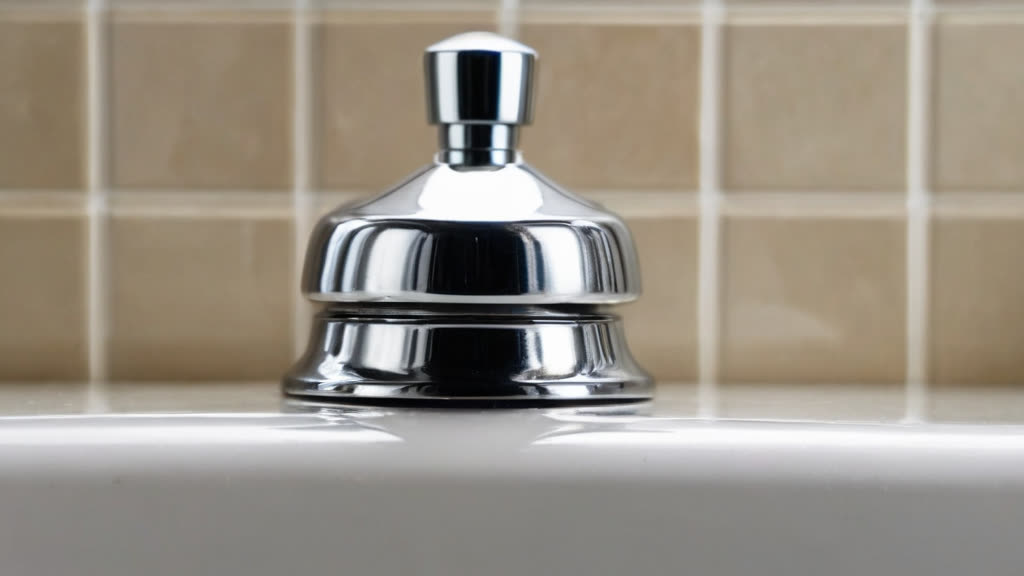
One of the biggest mistakes we see is using the same generic spray for everything. To effectively clean a bathroom, you need to understand the difference between acid and alkaline. If you are struggling with hard water stain removal, you likely need an acidic approach. Products containing citric acid are excellent for breaking down the mineral deposits left behind by Florida's hard water.
On the other hand, soap scum is actually an alkaline substance. Soap scum is essentially a combination of fatty acids from soap and minerals from water. To dissolve this waxy, cloudy buildup, an alkaline cleaner is much more effective. Using an acid on soap scum won't do much, and using an alkaline cleaner on hard water won't dissolve the minerals. Knowing which is which is the real 'pro' secret.
Always test a small, inconspicuous area first when trying a new product. While we focus on effective, reliable methods, we always recommend being mindful of your surfaces to ensure the cleaner doesn't dull natural stone or sensitive metals.
The 30-Second Rule for a Shiny Vanity
The vanity area is often the most high-traffic spot in the bathroom. Between morning routines and evening wind-downs, it quickly becomes a graveyard for toothpaste spatters, hairspray residue, and water droplets. If left to dry, these substances harden into a film that makes the countertop look dull and neglected.
We suggest adopting a '30-second rule': after you finish using the sink, take a microfiber cloth and give the vanity a quick wipe. This simple habit prevents toothpaste from hardening and keeps the faucet shining. It is a tiny investment of time that makes a massive difference in how the entire room feels when you walk in.
Consistency is the key to home maintenance. When you prevent the buildup, you aren't just cleaning; you are preserving your home's value. For homeowners in Massachusetts or Florida, keeping these surfaces pristine helps maintain the integrity of your fixtures and prevents the long-term damage caused by constant moisture exposure.
Frequently Asked Questions
How do I remove existing soap scum from my shower?
To remove established soap scum, use an alkaline-based cleaner. Apply the product, let it sit for several minutes to break down the organic matter, and then scrub with a non-abrasive sponge.
What is the best way to prevent hard water stains on faucets?
The best prevention is to wipe your faucets dry with a soft cloth after use. This prevents the minerals in the water from evaporating and leaving deposits behind.
How often should I deep clean my bathroom?
While daily maintenance prevents grime, a professional-level deep clean should be done every few months to reach the areas that daily wiping might miss, such as behind the toilet or inside tile grout.
While these daily habits can keep your bathroom looking great, we know that life gets busy. If those 'hard-to-reach' spots are starting to feel like a chore, or if you need a deep-clean refresh for your guest suite, our family-owned team is here to help. At Pure Pristine Cleans, we take pride in our 4.9-star rating and 100+ verified reviews. We are licensed and insured, providing dependable house cleaning in Miami, Fort Lauderdale, Tampa, Orlando, Jacksonville, and Pompano Beach. Visit us at purepristinecleans.com to book your next service.