
More Than Just Curb Appeal: How to Protect Your Florida Driveway from the Elements
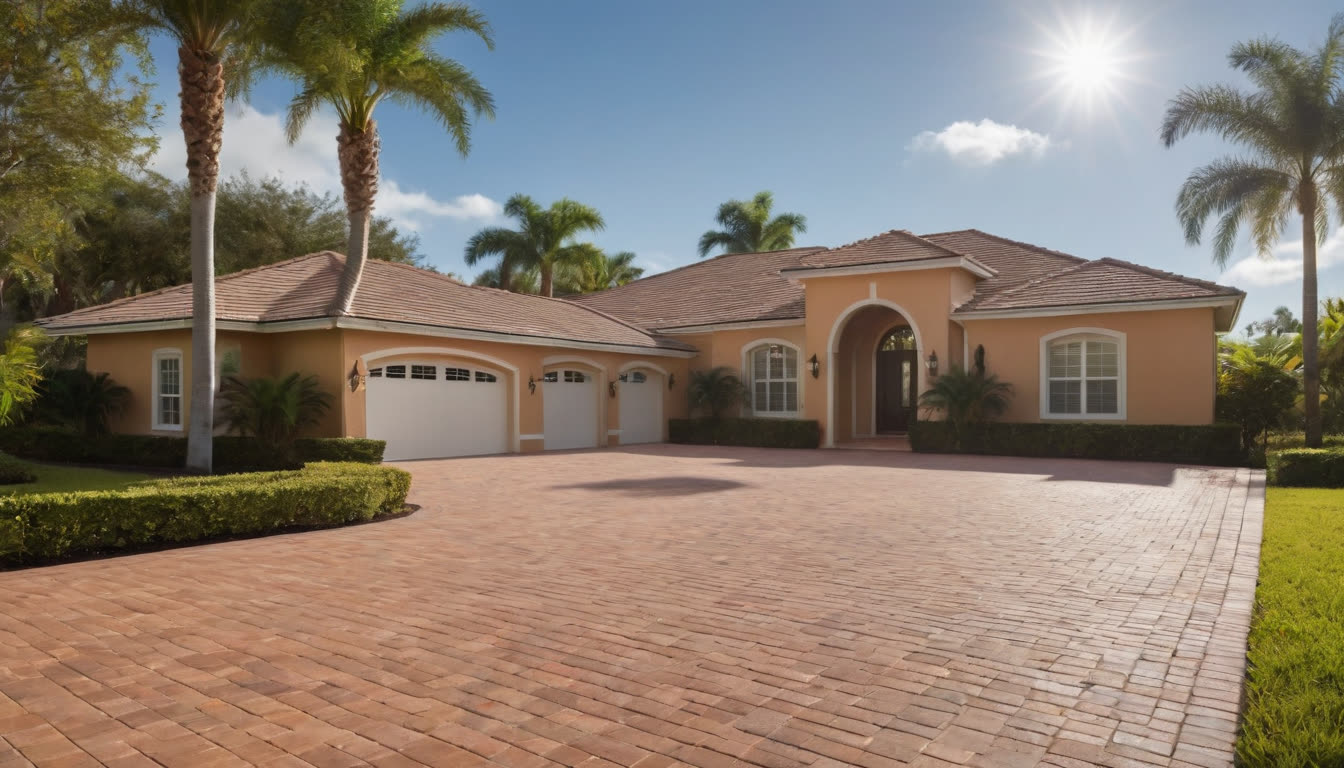
If you’ve been following the local news lately, you might have seen the recent Paver Sealer Finish Guide for Fort Lauderdale featured in USA Today. It’s a timely reminder that in Florida, our outdoor spaces face a unique set of challenges. Between the intense UV rays and those sudden, heavy seasonal downpours, your driveway is constantly under siege.
The Hidden Cost of Neglect
Your driveway is the first thing guests see when they pull up to your home, and for our Airbnb hosts in high-traffic areas like Fort Lauderdale, it is a vital part of your property's first impression. A crumbling, stained, or weed-choked driveway isn't just an eyesore; it can actually decrease your property value and create tripping hazards for visitors.
In the Sunshine State, the sun and rain work together to break down your pavers. Intense heat causes the material to expand, while heavy rain penetrates any tiny cracks. Over time, this makes the pavers porous. Once they become porous, they start absorbing moisture and organic matter, which leads to the growth of unsightly dark spots and even structural cracks.
Maintaining your driveway is about protecting an investment. Whether you are a homeowner in Miami or a property manager in Orlando, keeping your pavers sealed ensures that the foundation of your outdoor living space remains solid and beautiful for years to come.
How to Tell if Your Sealant is Failing
You don't need to be a professional to know when your driveway needs attention, but you do need to know what to look for. One of the first signs is a 'fuzzy' appearance on the surface of the pavers. This happens when dirt and organic matter begin to lodge themselves into the surface of the stone because the protective barrier has worn thin.
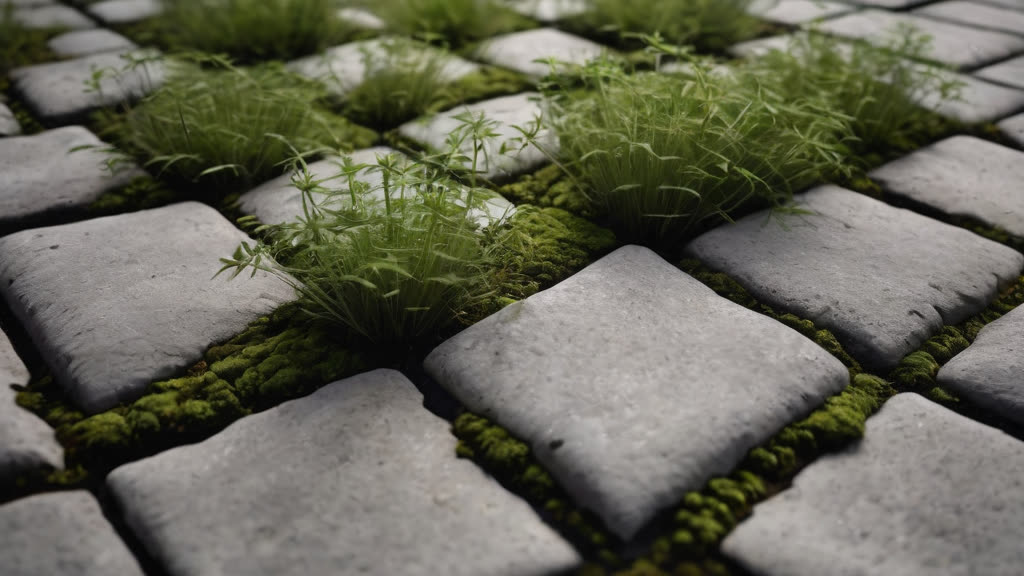
Another sign is a noticeable darkening of the color. While a good sealer can deepen the hue of your pavers, a patchy, uneven, or muddy look usually indicates that the surface is absorbing too much water. If you see weeds sprouting aggressively from the joints between your pavers, the barrier is likely compromised, allowing seeds and soil to take root.
paragraph_3_bonus_tip_logic_hidden_in_text_flow_to_keep_it_human
The Simple 'Water Test' for Homeowners
If you aren't sure whether you need a fresh coat of sealer, there is a very easy way to check using nothing but a garden hose. This is the most reliable method we recommend to our clients to avoid unnecessary costs.
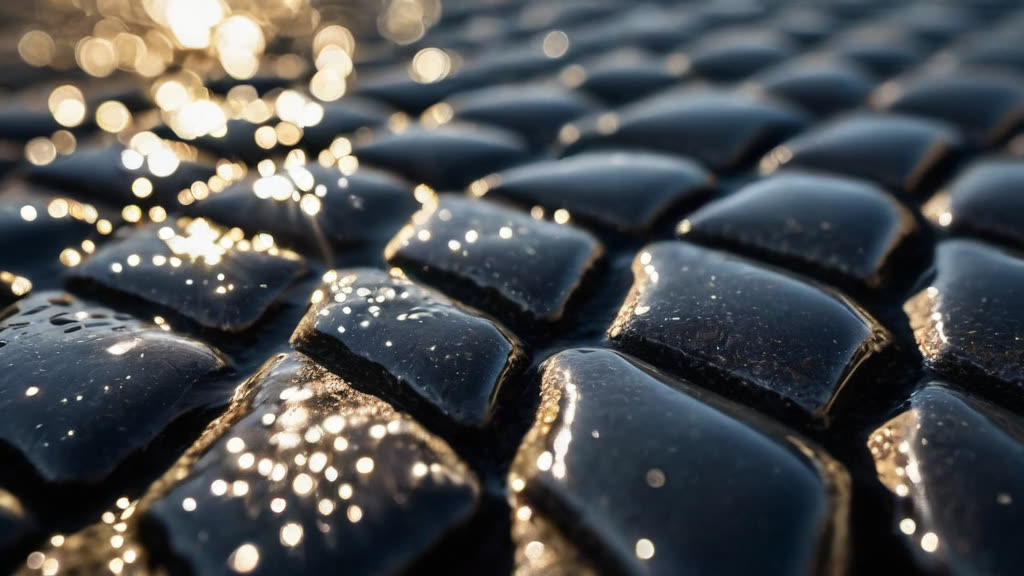
Simply pour a small amount of water onto a representative section of your driveway. Watch closely as the water interacts with the paver. If the water beads up on the surface, your seal is still doing its job and providing a waterproof barrier. However, if the water soaks into the paver almost instantly, leaving a dark, wet spot, your protection has worn away.
If you fail the water test, it is time to start planning for a refresh. Addressing this early can save you from much more expensive repairs, such as full paver replacement or deep structural repairs caused by shifting soil.
Cleaning Before Sealing: The Golden Rule
One mistake we often see is people attempting to apply a new sealer directly over a dirty surface. This is a recipe for disaster. For a sealer to work, it must be able to bond directly to the surface of the paver. If there is a layer of dust, algae, or old, flaking sealer in the way, the new coat will peel and bubble within months.
This is where professional driveway pressure washing becomes essential. You need a deep, thorough cleaning to strip away all organic matter and debris. This process opens up the pores of the stone so the new sealer can penetrate deeply and create a lasting bond.
Think of it like painting a wall; you wouldn't paint over thick dust and expect it to stick. A proper cleaning ensures that the 'paver sealer guide' steps you follow actually result in a long-lasting finish.
Timing Your Maintenance
In Florida, timing is everything. You should aim to perform your cleaning and sealing during the drier months of the year. We generally recommend avoiding the peak of the rainy season when sudden, heavy afternoon thunderstorms are a daily occurrence.
The sealer needs a specific window of time to 'cure' or harden properly. If a heavy downpour washes over the driveway before the sealer has set, it can ruin the finish, leaving it splotchy or even stripping the product away entirely. Check your local weather forecasts for a stretch of at least 24 to 48 hours of dry, stable weather.
By planning your maintenance during a dry spell, you ensure the best results for your curb appeal and ensure your hard work stays put through the next season of heat and rain.
Frequently Asked Questions
How often should I reseal my driveway in Florida?
Depending on your exposure to sun and traffic, most Florida driveways benefit from a resealing every 2 to 3 years to maintain protection.
Can I apply sealer myself?
While DIY is possible, it requires significant preparation, including deep cleaning and ensuring perfect weather conditions, to prevent a patchy finish.
Will pressure washing damage my pavers?
If done with the correct pressure and technique, no. However, improper use of high-pressure equipment can strip the surface, which is why a professional approach is often safer.
While we specialize in the sanctuary inside your home, we know that a beautiful home starts at the front door. If your outdoor spaces need a deep scrub to get them ready for a fresh seal, our team can handle the heavy-duty exterior cleaning to make your property shine from the outside in. Visit us at purepristinecleans.com to learn more about our licensed and insured services—backed by our 4.9-star rating and 100+ verified reviews.