
When the Rain Won't Stop: How to Protect Your Home from Water Damage
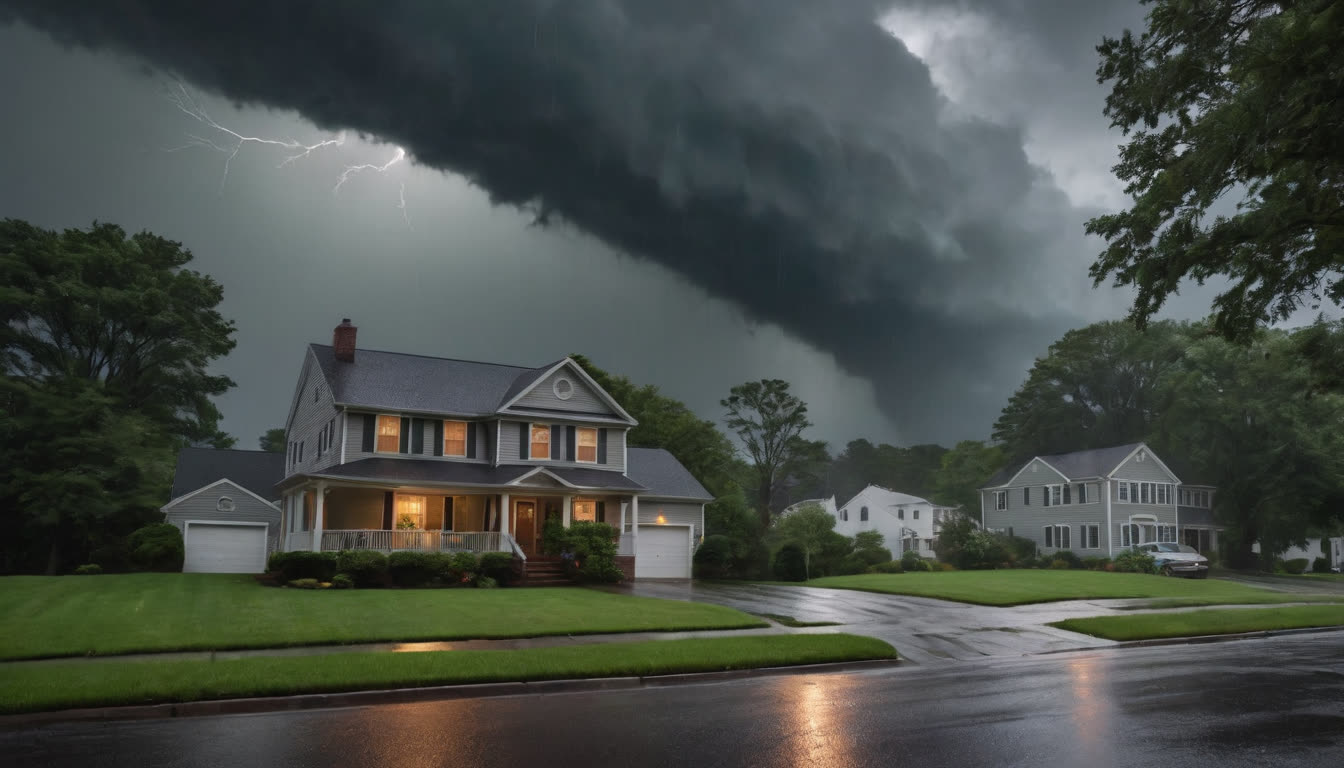
If you’ve been watching the news in Warwick lately, you know exactly what I’m talking about. The recent heavy rainfall and reports of 'raging rapids' in our local streets are a sobering reminder that water doesn't just stay outside. Whether you are managing a family home in Rhode Island or an Airbnb in Florida, sudden downpours can turn a rainy afternoon into a major property headache in minutes.
Finding the Weak Spots Before the Storm Hits
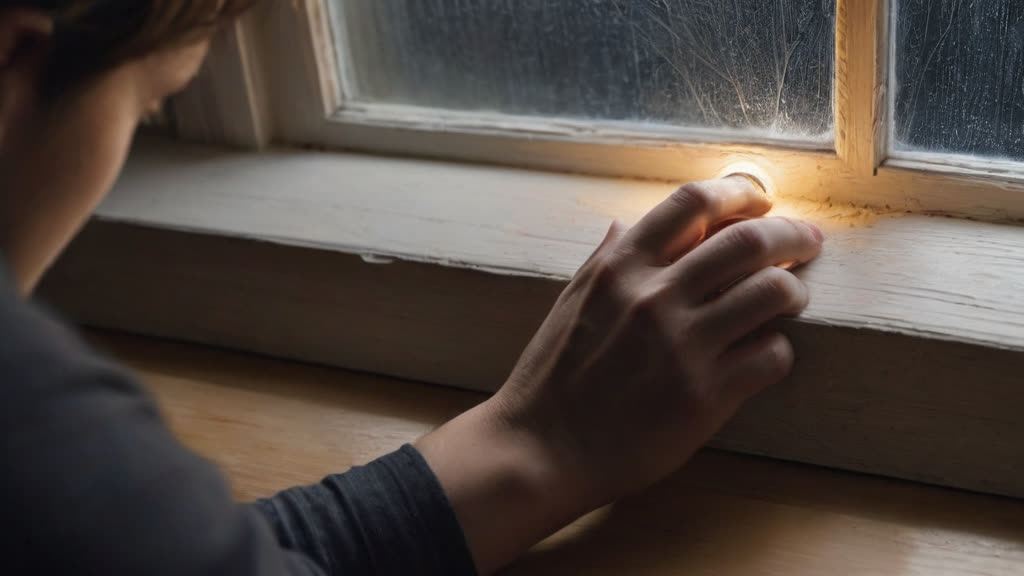
Water is incredibly persistent; it doesn't need a massive flood to cause damage. Often, it’s the tiny, overlooked gaps that lead to the most trouble. Before the next big storm rolls through, grab a flashlight and do a perimeter check. Pay close attention to window seals and door frames. If you see cracked caulking or gaps in the weatherstripping, that is a direct invitation for moisture to seep into your drywall and flooring.
Don't forget to inspect your garage thresholds as well. Many homeowners assume the garage is a sealed fortress, but a worn-out rubber seal at the base of the garage door can allow significant amounts of water to flow right into your storage area. For those of us in Warwick or Pawtucket, where heavy seasonal rains are common, catching these small leaks early can save you from a much larger flood cleanup Rhode Island nightmare later.
Checking these entry points is a vital part of regular Warwick home maintenance. It’s much easier to apply a fresh bead of sealant on a sunny afternoon than it is to deal with soaked carpets and warped baseboards after a deluge.
Clearing the Path for Drainage
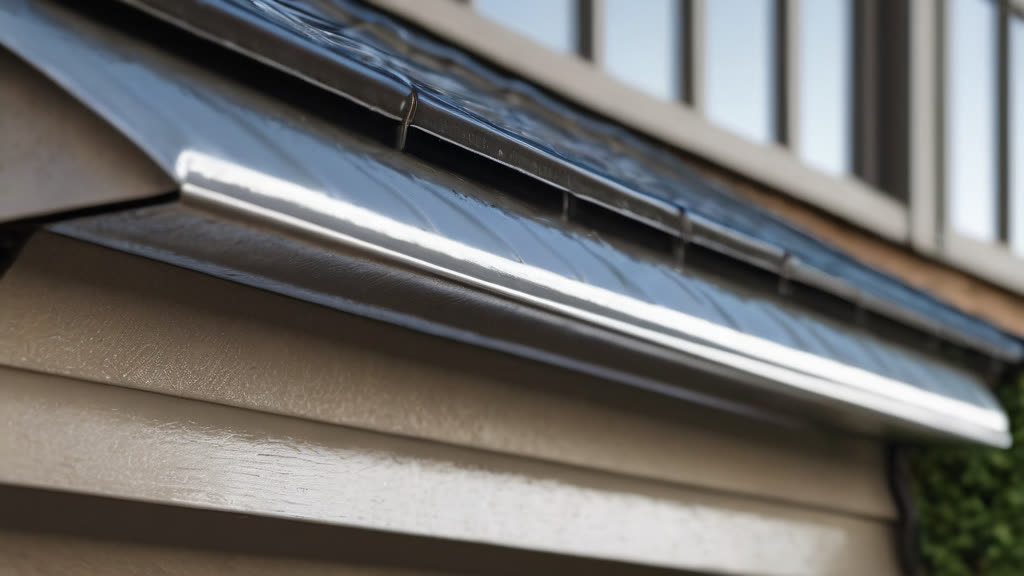
One of the biggest contributors to basement flooding and foundation issues isn't the rain itself, but where that rain ends up. If your gutters are clogged with autumn leaves, twigs, or accumulated silt, the water has nowhere to go but down your siding and directly into your foundation. This creates pooling around your home, which is exactly how those 'raging rapids' we saw in Warwick can start to affect your yard and basement.
Take some time to clear your downspouts. You should be able to see the water flowing freely out of the bottom. If you notice water bubbling up near the base of your house during a storm, your downspouts might be disconnected or blocked. Adding extensions to your downspouts to carry water at least three to five feet away from your foundation is a simple, low-cost way to prevent much larger structural issues.
For Airbnb hosts, this is particularly critical. A clogged gutter might seem like a small maintenance task, but the resulting water damage to a rental property can lead to a loss of bookings and a massive headache during an Airbnb turnover after storm events. Keeping the path clear ensures your property remains the high-quality retreat your guests expect.
The Critical 24-Hour Rule and Documentation
If the worst happens and water does enter your home, time is your most important resource. You must follow the 24-hour rule: aim to dry out the affected area within 24 to 48 hours. Moisture trapped in carpets, padding, or behind baseboards is the primary driver for mold and mildew growth. Use heavy-duty fans, dehumidifiers, and shop vacs to pull as much moisture out of the air and the materials as possible immediately.
While your first instinct might be to start scrubbing and cleaning, there is one vital step you must do first: document everything. Before you move a single soaked box or start mopping up puddles, take clear photos and videos of the water levels, the entry points, and any damaged belongings. This footage is essential for insurance claims. Detailed evidence of the damage can be the difference between a smooth claim process and a frustrating dispute.
Once the immediate threat of standing water is gone, the real work of sanitizing begins. This is where deep cleaning after rain becomes a necessity. You aren't just cleaning up mud; you are removing the residue that comes with floodwater to ensure the air quality and surfaces in your home are truly clean for your family or your next guest.

Frequently Asked Questions
How do I know if my home needs professional flood cleanup?
If you have standing water, significant mud intrusion, or a strong musty odor, it is time to call in the professionals. We can help with a deep cleaning service to ensure your home is properly sanitized.
Can I use regular household cleaners for post-storm cleanup?
While standard cleaners work for surface dust, post-storm cleaning often requires more heavy-duty sanitizing to handle the silt and organic matter brought in by floodwaters.
Is it worth cleaning an Airbnb immediately after a storm?
Yes. For hosts, a quick, thorough deep cleaning after rain is essential to prevent mold and to ensure your next guest arrives to a pristine, professional-looking property.
While we can't stop the rain, we can help you manage the aftermath. If a heavy storm leaves your home feeling damp, muddy, or in need of a deep sanitizing scrub to ensure it's safe for your family (or your next guest), our team is here to provide a thorough, professional restoration clean. As a licensed and insured family business with a 4.9-star rating and over 100+ verified reviews, we take pride in helping our neighbors in Rhode Island and Florida get back to normal. Visit us at purepristinecleans.com to schedule your service.