
Is Your Home Making You Sneeze? Real Ways to Improve Indoor Air Quality

Lately, doctors and allergists have been sharing a startling reality: the air inside our homes can often hold more pollutants, dust, and allergens than the air we breathe outside. Whether you are managing a seasonal allergy flare-up or simply noticing more dust on your surfaces, it is time to take a closer look at your indoor environment. Improving your air quality isn't just about aesthetics; it’s about creating a healthy sanctuary for your family or your guests.
Targeting the Hidden 'Dust Traps'
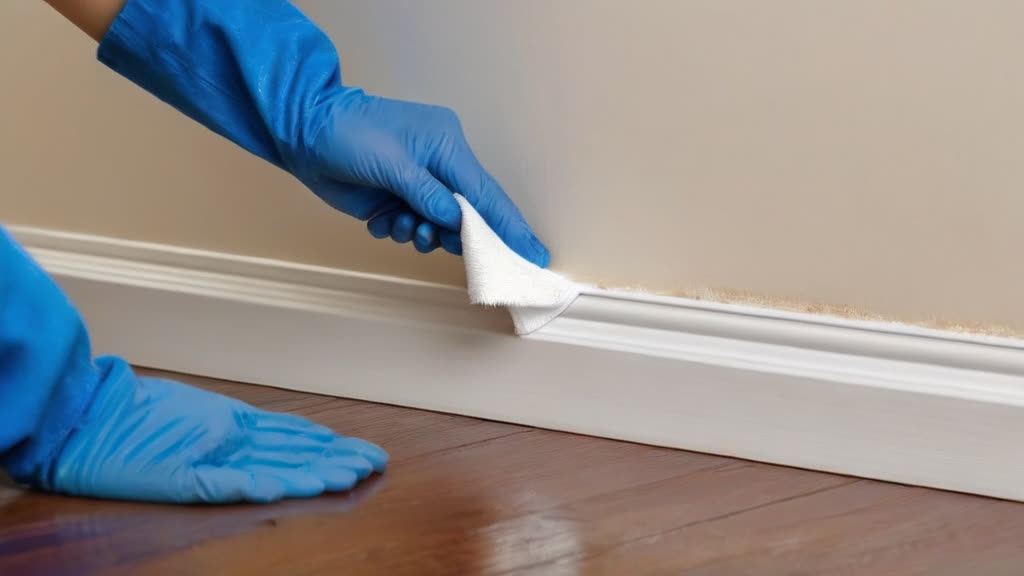
When we think about cleaning, we usually focus on the surfaces we see every day—the kitchen counters, the coffee table, and the floors. However, if you are looking for ways to remove dust from home effectively, you have to look upward and inward. Dust doesn't just sit on flat surfaces; it settles in 'traps' that are often overlooked during a quick tidy-up. High-traffic areas like baseboards, the tops of door frames, and even the blades of ceiling fans act as magnets for airborne particles.
To truly tackle the problem, you need to be methodical. For ceiling fans, use a damp microfiber cloth rather than a dry duster; a dry duster often just pushes the dust back into the air, whereas a damp cloth captures it. Don't forget the areas behind heavy furniture or tucked deep into corners. These spots are prime real estate for dust mites and accumulated debris. If you are an Airbnb host, keeping these hidden areas clean is one of the most important Airbnb host cleaning tips you can follow, as dust buildup in these spots is often the first thing a guest notices when they move furniture or check the window sills.
Regularly vacuuming with a high-quality vacuum and wiping down baseboards once a month can significantly reduce the amount of particulate matter floating in your living space. It is about breaking the cycle of dust accumulation so that it never has the chance to become airborne in the first place.
Managing Humidity: From Florida Heat to Massachusetts Winters
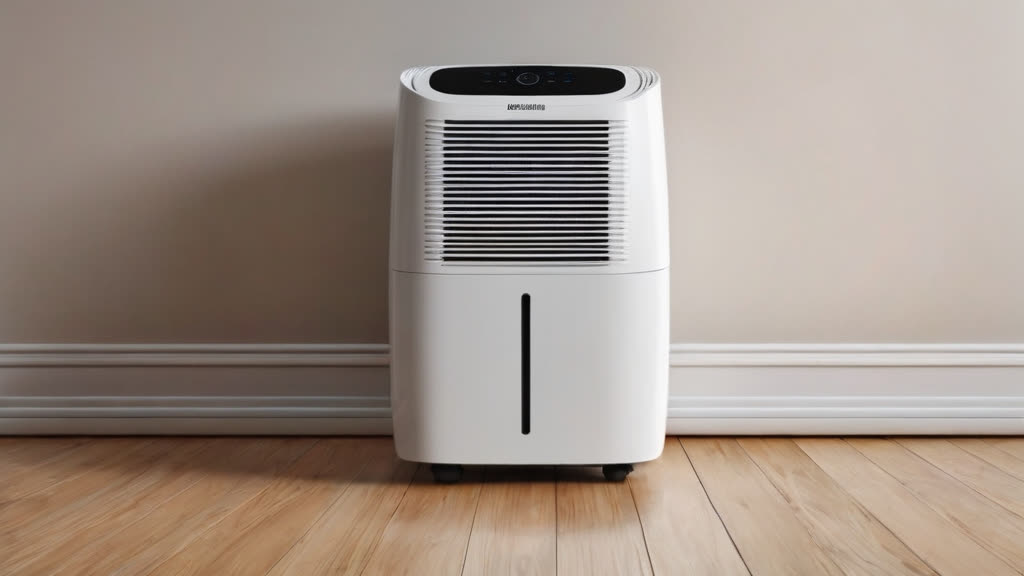
Humidity plays a massive role in how 'heavy' or 'stuffy' your air feels, and the solution depends entirely on where you live. For those managing Florida home air quality, the enemy is often excess moisture. High humidity levels can create a breeding ground for mold spores, which can quickly become airborne and circulate through your HVAC system. Using a dehumidifier to keep your indoor humidity between 30% and 50% is a vital step in preventing that musty, heavy feeling in your home.
On the other hand, if you are focused on Massachusetts home maintenance, your challenges are different. During the colder months, we seal our homes tight to keep the heat in, which can lead to stagnant, overly dry air. This lack of ventilation allows indoor pollutants and seasonal pollen that may have been tracked in to linger. Ensuring you have proper ventilation—perhaps by using exhaust fans in bathrooms and kitchens or briefly cracking a window on a clear day—helps circulate fresh air and prevents pollutants from concentrating.
Controlling moisture isn't just about comfort; it's about preventing the structural issues that arise from mold and mildew. By monitoring your hygrometer (a simple device to measure humidity), you can take proactive steps to keep your indoor environment stable and breathable year-round.
The Power of HEPA Filtration
If you want to take your air quality efforts to the next level, look toward filtration. High-efficiency particulate air (HEPA) filters are designed to trap microscopic particles that standard filters might miss. One of the most effective ways to implement this is by upgrading the filters in your home’s HVAC system. Check your manufacturer's recommendations, but generally, replacing these filters every 60 to 90 days is essential for maintaining airflow and cleanliness.
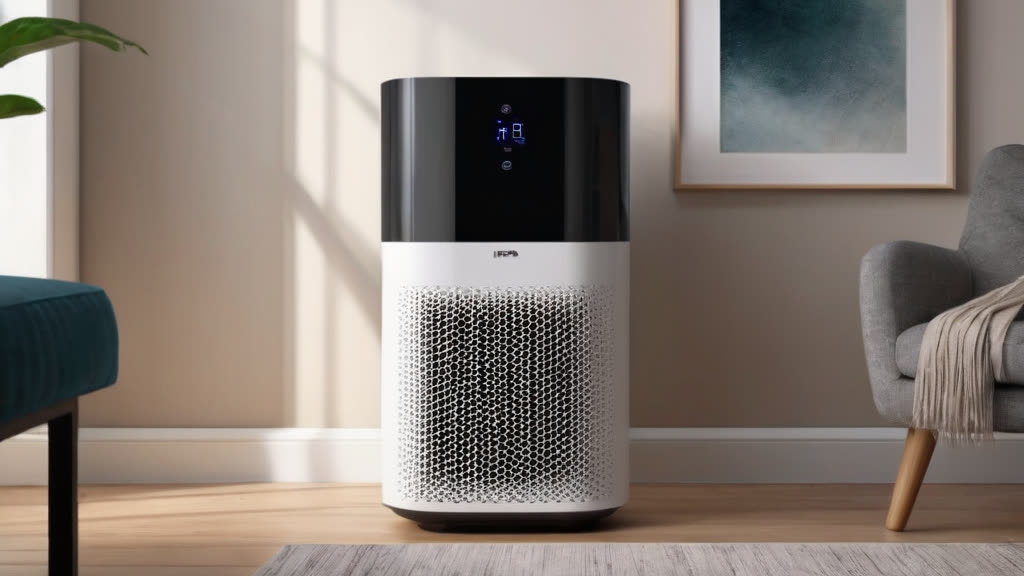
For high-traffic rooms—like a living room or a primary bedroom—standalone HEPA air purifiers can act as an extra layer of defense. These devices work by constantly pulling air through a dense filter, capturing dust, pollen, and other irritants. This is particularly helpful for allergy-friendly cleaning routines, as it provides a continuous cleaning mechanism that works even when you aren't actively dusting.
While these technological tools are fantastic for ongoing maintenance, they work best when paired with a clean foundation. A purifier can only do so much if the carpets and upholstery are holding onto years of deep-seated debris. This is where a professional deep cleaning service can make a massive difference, removing the heavy lifting that standard daily cleaning simply cannot reach.
Frequently Asked Questions
How often should I clean my baseboards to reduce dust?
For most homes, wiping down baseboards once a month is sufficient to prevent significant dust buildup.
Can cleaning my AC filters really help with allergies?
Yes. Regularly changing your HVAC filters helps prevent dust and allergens from recirculating throughout your entire house.
What is the best way to get rid of dust in a house quickly?
Using a damp microfiber cloth is more effective than a dry duster, as it traps the dust instead of spreading it into the air.
As an Airbnb host, how can I improve guest reviews regarding cleanliness?
Focus on deep-cleaning hidden areas like under beds and behind furniture, and ensure the air smells fresh and clean, not musty.
Achieving great indoor air quality is about more than just surface-level tidying; it’s about a deep, meticulous approach to your environment. If you want to ensure your home or rental property feels as fresh and clean as the air outside, our team is here to help. At Pure Pristine Cleans, we take pride in our 4.9-star rating and 100+ verified reviews. As a licensed and insured family-owned business, we bring a level of detail that goes beyond the surface. Visit us at purepristinecleans.com to schedule your next deep clean.