
Don't Let the Weather Ruin Your Curb Appeal: A Guide to Paver Maintenance
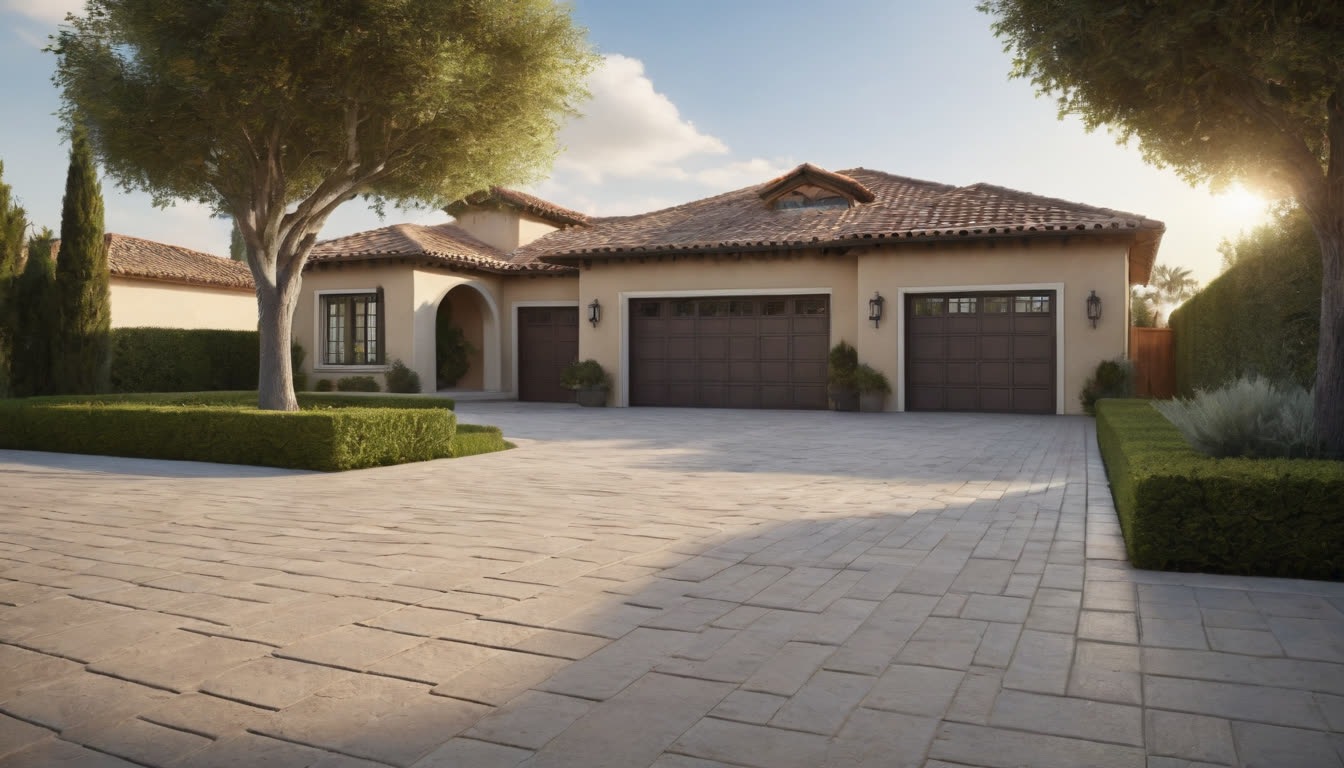
If you’ve been keeping an eye on local home maintenance updates, you might have noticed recent industry guides highlighting a specific focus on paver sealing and finishing, particularly around the Fort Lauderdale area. It’s a timely reminder that our outdoor surfaces are under constant attack from the elements. Whether you are dealing with the relentless humidity of Florida or the harsh freeze-thaw cycles of Massachusetts, your driveway and patio require more than just a casual rinse to stay beautiful.
The Two-Front War: Florida Sun vs. Massachusetts Frost
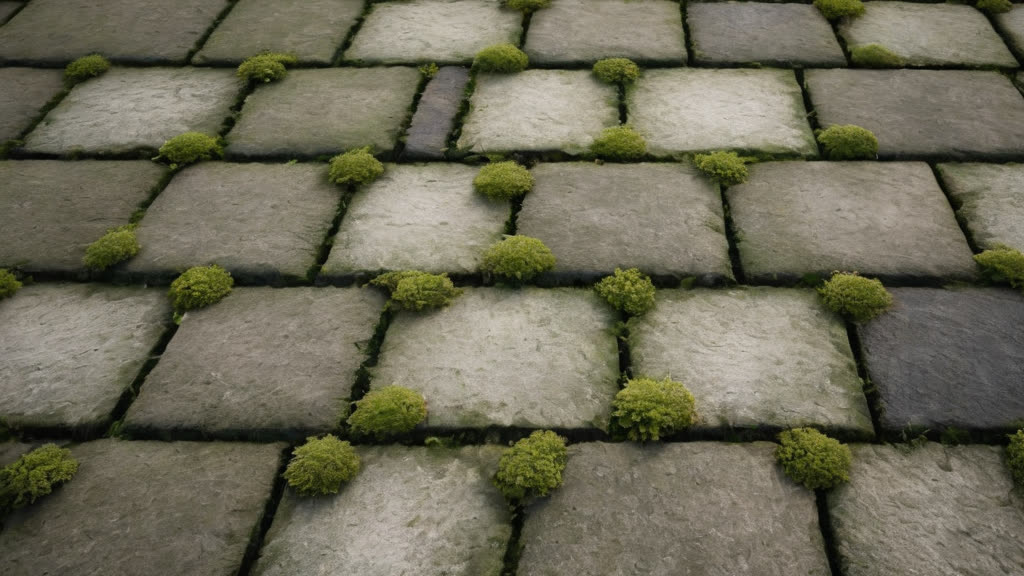
For those of us living in Florida, the primary enemy is the sun and the moisture. The intense UV rays in cities like Miami and Orlando act like a slow bleach, causing the vibrant colors in your pavers to fade year after year. Meanwhile, the high humidity provides the perfect breeding ground for algae, moss, and organic growth to settle into the pores of your stone, making your driveway look dingy and aged.
Up north in Massachusetts, the struggle is entirely different. The danger here is moisture trapped within the pores of the paver. When that water freezes during a New England winter, it expands, leading to 'spalling'—that frustrating surface flaking you might notice. Over time, this expansion can cause significant shifting and structural cracking in your walkways and patios. Both climates demand a proactive approach to prevent expensive replacements.
Understanding that your pavers are porous is the first step in proper maintenance. Because they act like a sponge, they are susceptible to whatever the atmosphere throws at them. By recognizing these seasonal threats, you can implement a maintenance schedule that protects your investment before the damage becomes permanent.
The 'Seal & Shield' Strategy: A Step-by-Step Approach
To keep your outdoor surfaces looking pristine, we recommend a 'Seal & Shield' approach. The first, and perhaps most critical, step is a thorough deep-clean. You cannot apply a new sealer over dirt, oil stains, or organic growth. If you skip this, you are essentially sealing the grime into the stone, which can lead to a cloudy, unattractive finish. A professional-grade deep-clean removes the stubborn algae and loose debris that a standard garden hose simply can't touch.
Once the surface is scrubbed, timing is everything. You must ensure the pavers are completely dry before any sealant touches the surface. If there is even a hint of trapped moisture underneath the sealer, it can cause cloudiness or even cause the sealer to peel prematurely. Depending on the humidity in places like Pompano Beach or Jacksonville, this drying period might take anywhere from 48 hours of clear weather.
The final step is applying a high-quality sealer. Think of this as a protective barrier. A good sealer blocks UV rays from bleaching your colors and prevents moisture from penetrating the stone. This simple layer of protection is the most effective way to extend the life of your driveway and patio, keeping that 'just installed' look for much longer.
Spotting the Warning Signs: Spalling and Staining
Maintenance is much easier when you catch problems early. One specific term to watch for is 'spalling.' This is when the top layer of the paver begins to flake or crumble. If you see small bits of stone dust or tiny flakes near your patio edges, it’s a sign that moisture is getting in and causing internal pressure. Addressing this early with a professional deep-clean and reseal can prevent the entire surface from destabilizing.
Staining is another common issue, especially in high-traffic areas like driveways. Oil leaks from cars or tannins from fallen leaves can leave stubborn marks. While some stains can be treated with targeted cleaners, significant or deep-set staining often requires a more intensive cleaning process to lift the pigment from the porous stone. Don't wait until the stain has become a permanent part of the landscape.
Regularly inspecting your joints is also vital. The sand between your pavers (polymeric sand) can wash away over time due to heavy rain or power washing. If you notice gaps forming, it’s time to replenish that sand to prevent weeds from taking root and to maintain the structural integrity of the entire surface.
Frequently Asked Questions
How often should I reseal my pavers?
In high-sun areas like Florida, we typically recommend resealing every 2 to 3 years. In climates with heavy freeze-thaw cycles like Massachusetts, you should inspect them annually and likely reseal every 3 to 5 years.
Can I apply sealer myself?
You certainly can, but the preparation is the hardest part. The surface must be perfectly clean and 100% dry. If the prep work is rushed, the sealer won't bond correctly, leading to peeling and an uneven look.
What is the difference between pressure washing and deep cleaning?
Pressure washing uses high pressure to remove surface dirt, but a deep cleaning service involves specialized cleaning agents to break down organic growth, algae, and embedded stains that water alone cannot remove.
While our primary expertise lies in the interior comfort of your home—from house cleaning in Miami to detailed upkeep in Orlando—we know that a beautiful exterior is a vital part of your home's sanctuary. If your patio or entryway feels weathered and needs a professional deep-clean to prepare it for a new seal, we can handle the heavy lifting for you. Visit us at purepristinecleans.com to see how we can help make your outdoor living spaces sparkle again.