
Fresh Air, Fresh Start: How to Improve Your Indoor Air Quality This Season

As the warmth of summer begins to fade, most of us start a familiar routine: we begin closing the windows and turning on the heat or AC. Whether you are managing a cozy property in Massachusetts or a sunny estate in Florida, this seasonal shift changes how the air moves through your rooms. When we stop letting the breeze flow through open windows, we inadvertently trap dust, pollen, and pet dander inside, making indoor air quality a top priority for the months ahead.
The Role of Your HVAC System in Air Quality
Recent reports have highlighted a growing concern: as we rely more heavily on internal air circulation during the colder or more humid months, our HVAC systems become the primary lungs of our homes. If your system isn't maintained, it can actually circulate the very particles you are trying to avoid. For anyone looking for professional deep cleaning, understanding your mechanical air flow is the first step toward a truly clean environment.
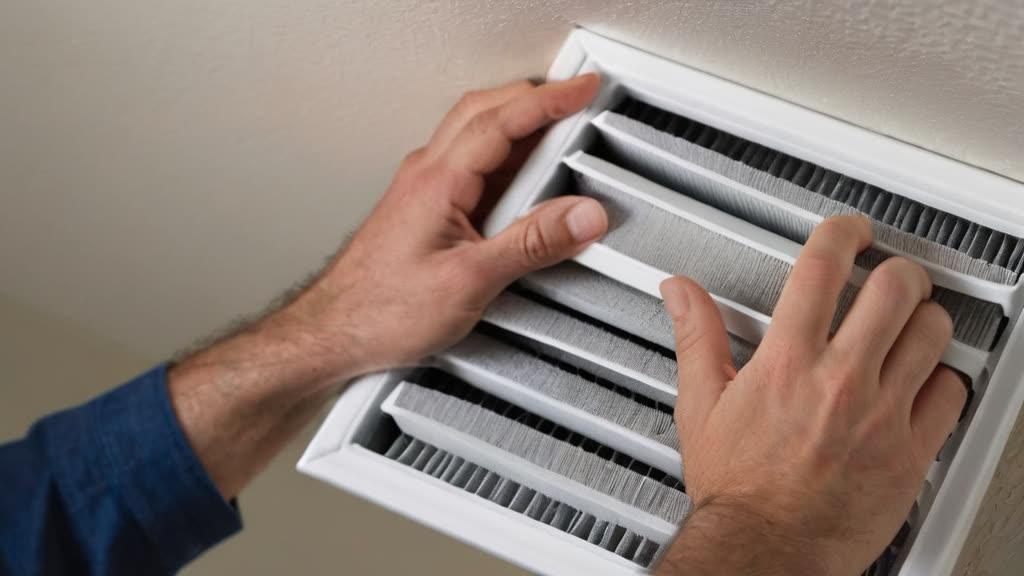
The most effective, low-cost way to start is by checking your HVAC filters. A good rule of thumb is to replace them every three months, but during peak seasons—like when the heat is running constantly in a Massachusetts winter or the AC is working overtime in a Florida home cleaning routine—you might need to check them even more frequently. A clogged filter forces your system to work harder and allows dust to bypass the filtration process, settling directly onto your furniture.
Think of your filter as the first line of defense for your indoor air quality home. When you change it, take a moment to inspect the surrounding vent area for any visible buildup. Keeping this component clean ensures that the air being pushed through your vents is as clear as possible before it even reaches your living room.
Hunting Down Hidden Dust Traps
Even with a clean filter, dust has a way of finding a home in the overlooked corners of a house. When the air system kicks on, it creates a subtle movement of air that can lift fine particles and redistribute them throughout the house. To truly manage dust removal services within your own home, you have to look up and down—literally.
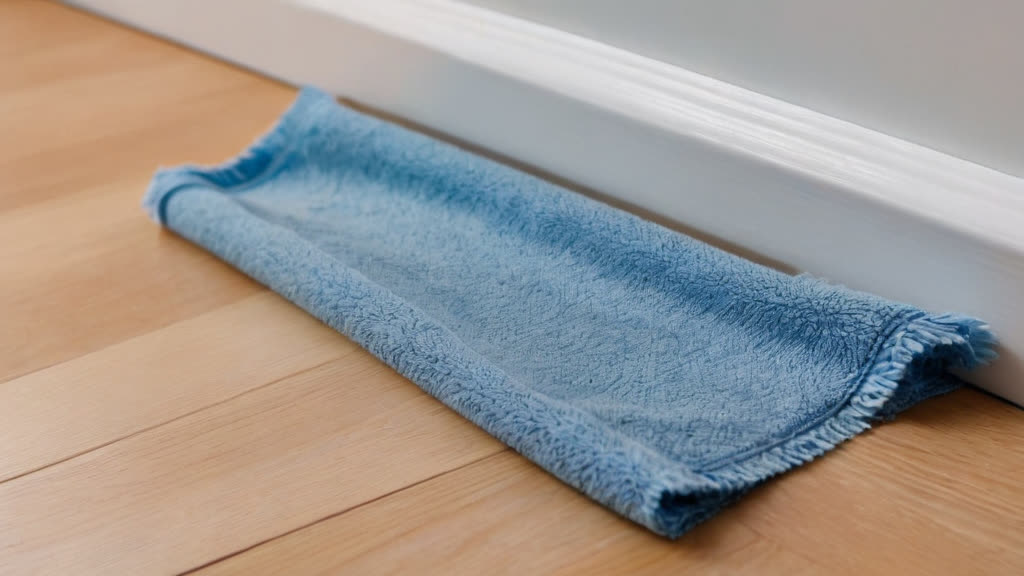
Ceiling fans are notorious for this. Over time, a thin layer of dust accumulates on the leading edges of the blades. The moment you flick the switch, that dust is launched into the air stream. Similarly, baseboards act as a collection point for heavy particles. If you haven't wiped your baseboards in a few months, they are likely holding onto a reservoir of allergens that will eventually migrate to your carpets or linens.
When cleaning these areas, avoid using a dry duster. Dry dusting often works by simply picking up the dirt and then releasing it back into the air a few minutes later. Instead, use a damp microfiber cloth. The moisture helps the cloth grab and hold the dust, ensuring that when you wipe down a surface, the particles stay on the cloth rather than becoming airborne again.
A Note for Airbnb Hosts and Property Managers
If you manage short-term rentals, air quality is a primary pillar of guest comfort. There is nothing that makes a guest feel less welcome than a 'gritty' feeling on the surfaces or a stale smell in the air upon arrival. For those seeking Airbnb cleaning services, the transition to the 'closed-window' season is the perfect time to implement a deep-cleaning protocol.
Before the season of closed windows begins, ensure that high-touch areas—such as remote controls, light switches, and door handles—and ventilation points are thoroughly addressed. This involves more than just a quick wipe; it requires a focused effort to remove lingering allergens from previous stays. A clean, breathable environment is one of the highest-rated features in guest reviews.
By focusing on these details, you prevent the buildup of odors and dust that can be difficult to remove once they have settled into upholstery or drapery. A proactive approach to cleaning ensures your property remains a premium destination, regardless of the weather outside.
Frequently Asked Questions
How often should I clean my window tracks and sills?
At least twice a year, or during the seasonal transition, is ideal. Cleaning them prevents outdoor pollen and debris from being blown back inside when you do open the windows.
Can cleaning my floors help with indoor air quality?
Yes. Regular vacuuming with a HEPA-filter vacuum and damp mopping prevents dust and allergens from being kicked up into the air by foot traffic.
Does professional deep cleaning help with allergens?
Absolutely. Professional deep cleaning focuses on the hard-to-reach areas—like behind furniture and along baseboards—where dust and allergens tend to accumulate and circulate.
While a clean HVAC system is a great mechanical step, our team specializes in the 'surface' side of air quality—removing the dust and allergens that linger on your floors, furniture, and fixtures. We are a family-owned business, licensed and insured, with a 4.9-star rating and 100+ verified reviews. If you'd like a deep clean to give your home a fresh, crisp start for the new season, we’re here to help. Visit us at purepristinecleans.com to learn more.